
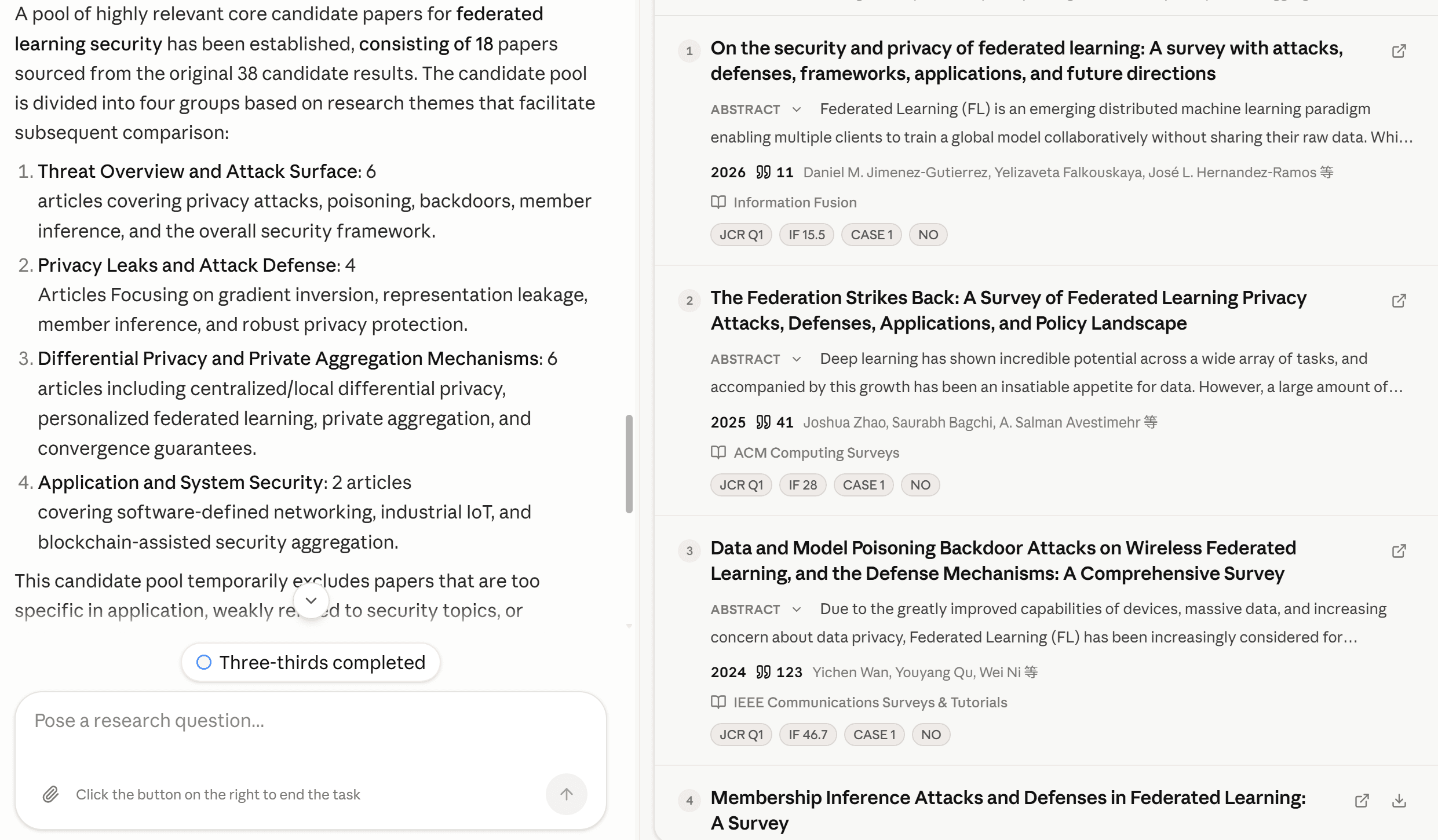
Literaturrecherche
Vom Agenten selbst geführte Artikelsuche mit gespeichertem Kandidatenpool.
Literaturrecherche
Beispielanfragen
Aktuelle Spitzenforschung
- 1A Survey of Large Language Models
The rapid evolution of large language models (LLMs) has driven a transformative shift in artificial intelligence (AI), reshaping both research paradigms and practical applications. Distinguished from their predecessors by unprecedented scale and advanced capabilities, LLMs necessitate new frameworks for understanding their development, behavior, and societal impact. This survey systematically reviews recent advancements in LLM techniques across four key dimensions: (1)…
2026·1419zitationen·Y. Zhou et al.·Frontiers of Computer Science·IF 4.6 · Q1 - 2DeepSeek-R1 incentivizes reasoning in LLMs through reinforcement learning
General reasoning represents a long-standing and formidable challenge in artificial intelligence (AI). Recent breakthroughs, exemplified by large language models (LLMs)1,2 and chain-of-thought (CoT) prompting3, have achieved considerable success on foundational reasoning tasks. However, this success is heavily contingent on extensive human-annotated demonstrations and the capabilities of models are still insufficient for more complex problems. Here we show that the reasoning…
2025·670zitationen·DeepSeek-AI et al.·Nature·IF 48.5 · Q1 - 3AI Agents vs. Agentic AI: A Conceptual taxonomy, applications and challenges
This review critically distinguishes between AI Agents and Agentic AI, offering a structured, conceptual taxonomy, application mapping, and analysis of opportunities and challenges to clarify their divergent design philosophies and capabilities. We begin by outlining the search strategy and foundational definitions, characterizing AI Agents as modular systems driven and enabled by LLMs and LIMs for taskspecific automation. Generative AI is positioned as a precursor providing…
2025·126zitationen·M. Shavit et al.·Information Fusion·IF 15.5 · Q1 - 4Physics-informed neural networks for PDE problems: a comprehensive review
As AI for Science continues to grow, Physics-informed neural networks (PINNs) have emerged as a transformative approach within the realm of scientific computing and deep learning, offering a robust and flexible framework for solving partial differential equations (PDEs) and other complex physical systems. By embedding physical laws directly into the architecture of neural networks, PINNs enable the integration of domain-specific knowledge, ensuring that the models adhere to…
2025·136zitationen·S. Cuomo et al.·Artificial Intelligence Review·IF 13.9 · Q1
Anwendungsfälle
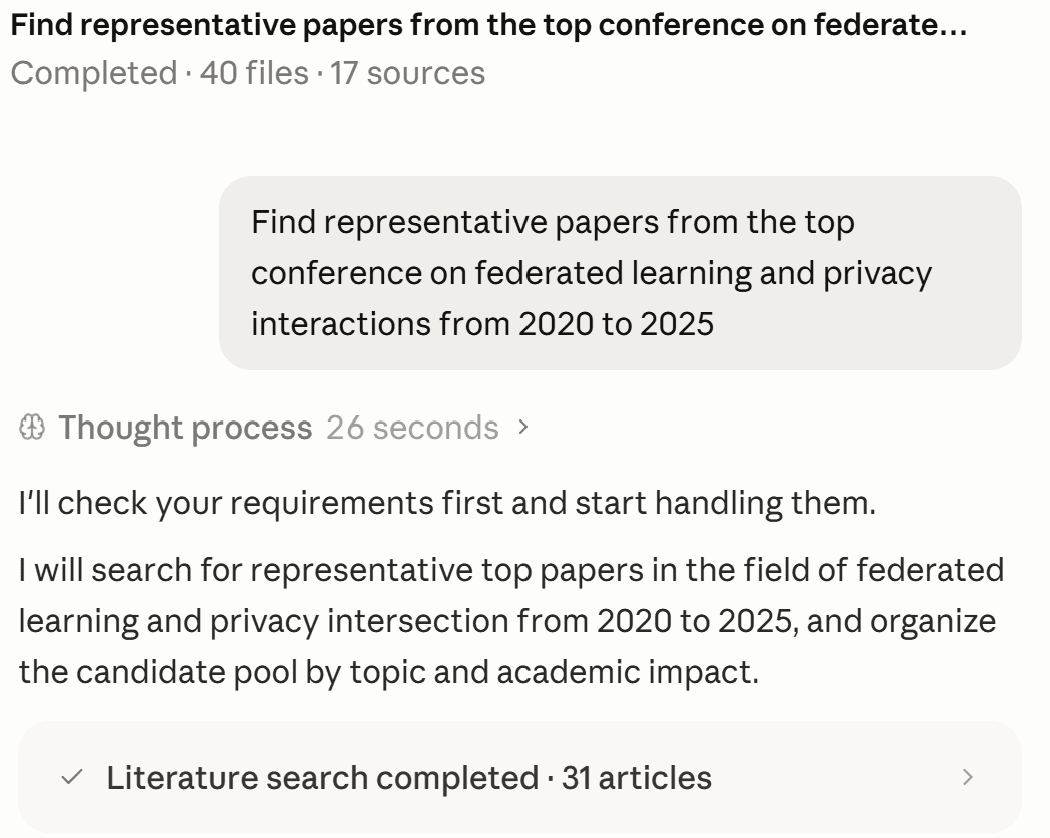
Bereits vorhanden: Forschungsthema
Bevorzugte Quellen, Anzahl der Kandidaten, Ausgabesprache
So läuft es ab
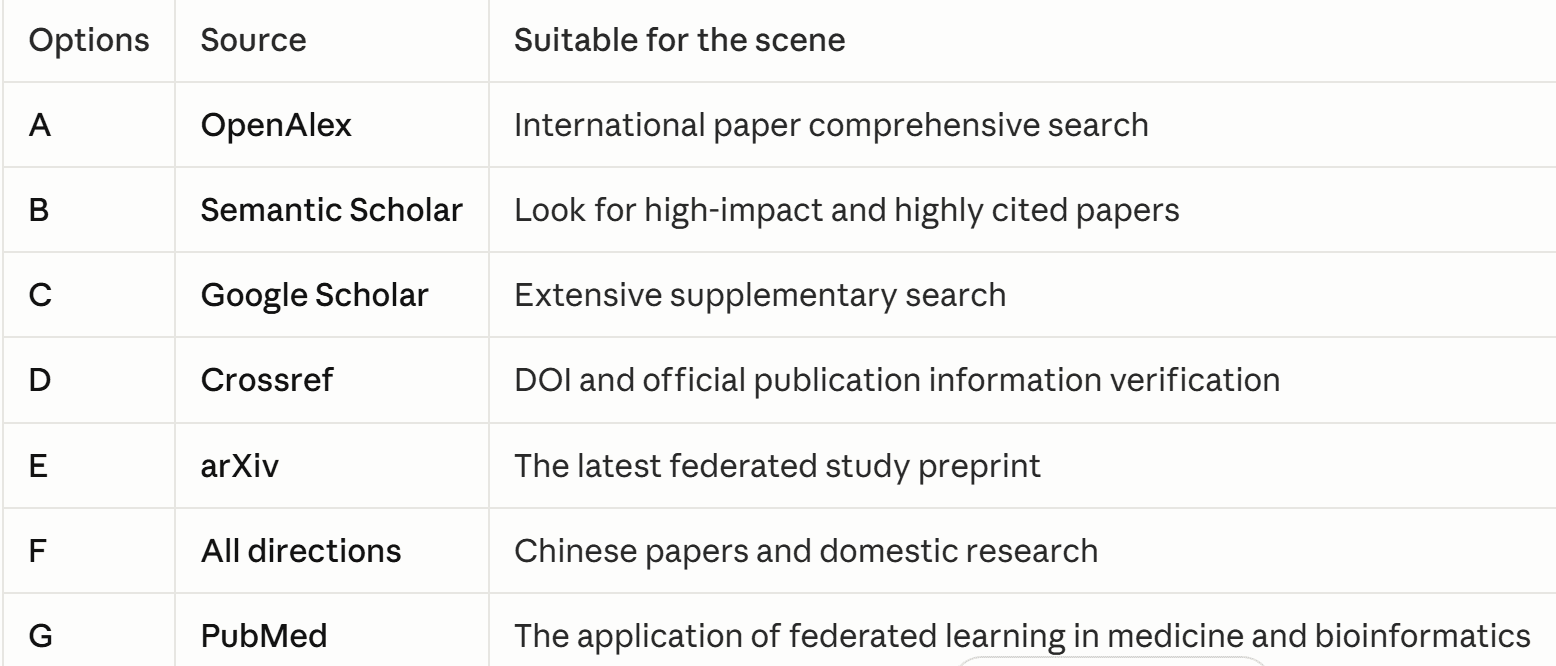
Anfrage verstehen
Thema und strukturierte Präferenzen als Vorgaben der anfragenden Person lesen. Nur eine fehlende Angabe klären, die das Ergebnis wesentlich verändern würde; andernfalls den Research Agent anhand der einheitlichen Beschreibung der Werkzeugfähigkeiten einen.
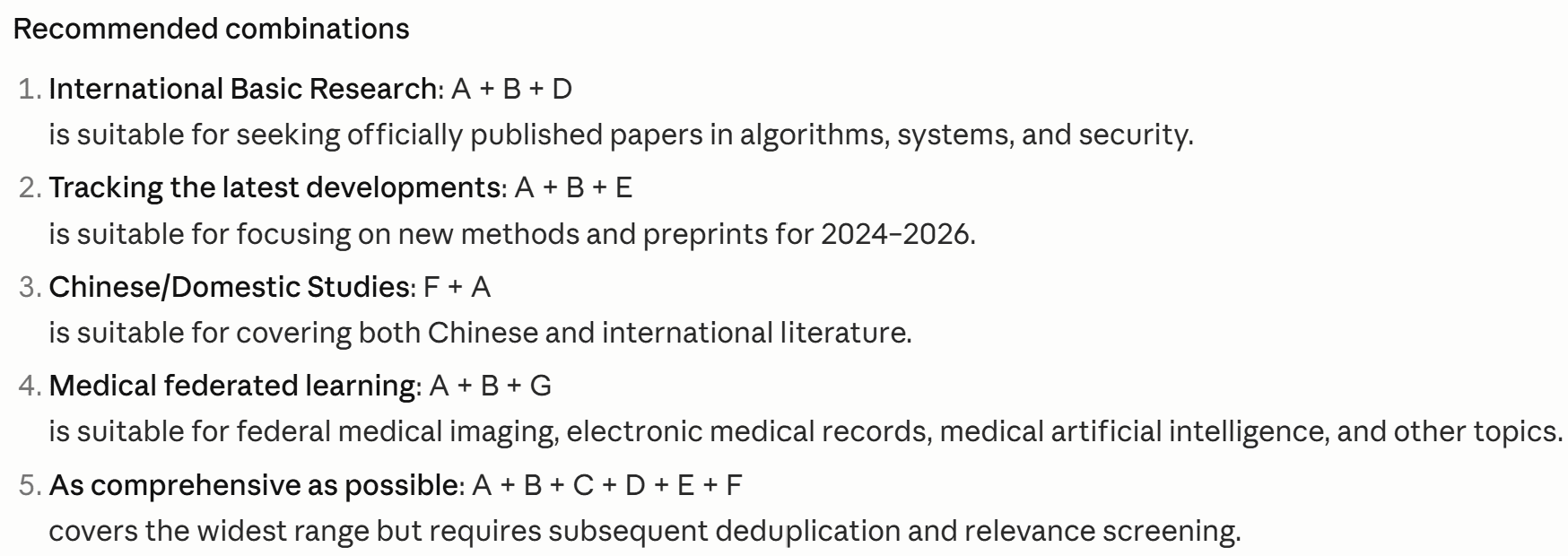
Infrage kommende Artikel abrufen
Das Werkzeug search_papers_v2 im selben Gespräch mit dem Research Agent verwenden. Der Parameter candidate_count ist das begrenzte Gesamtkontingent für den Pool.
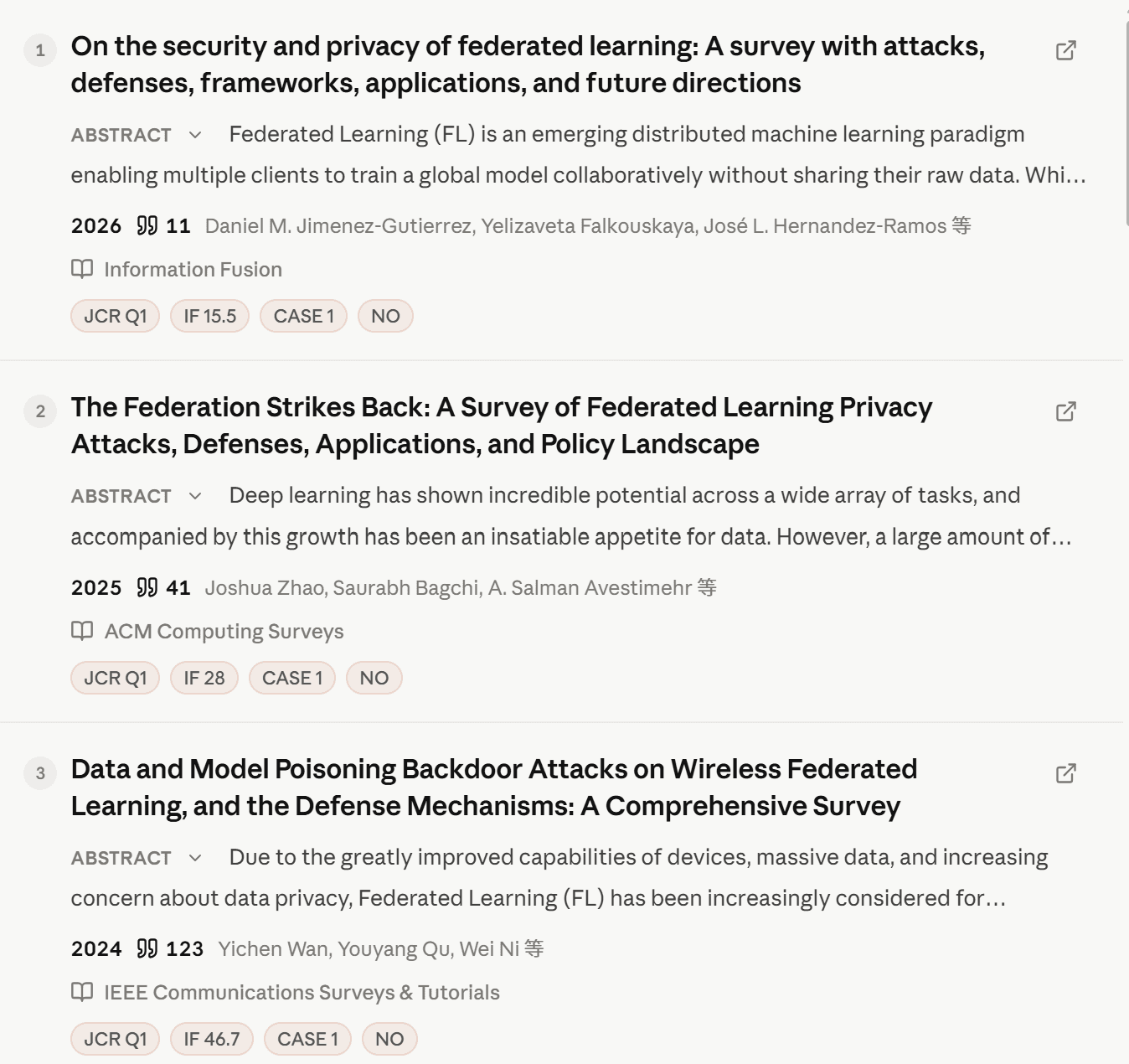
Kandidaten beurteilen
Die zurückgegebenen Metadaten und Diagnosedaten der Artikel prüfen. Die Relevanz für die gestellte Frage hat Vorrang vor dem Renommee des Journals. Yila hält Zwischenentscheidungen, Evidenzgrenzen und offene Punkte sichtbar, damit Sie die Begründung.
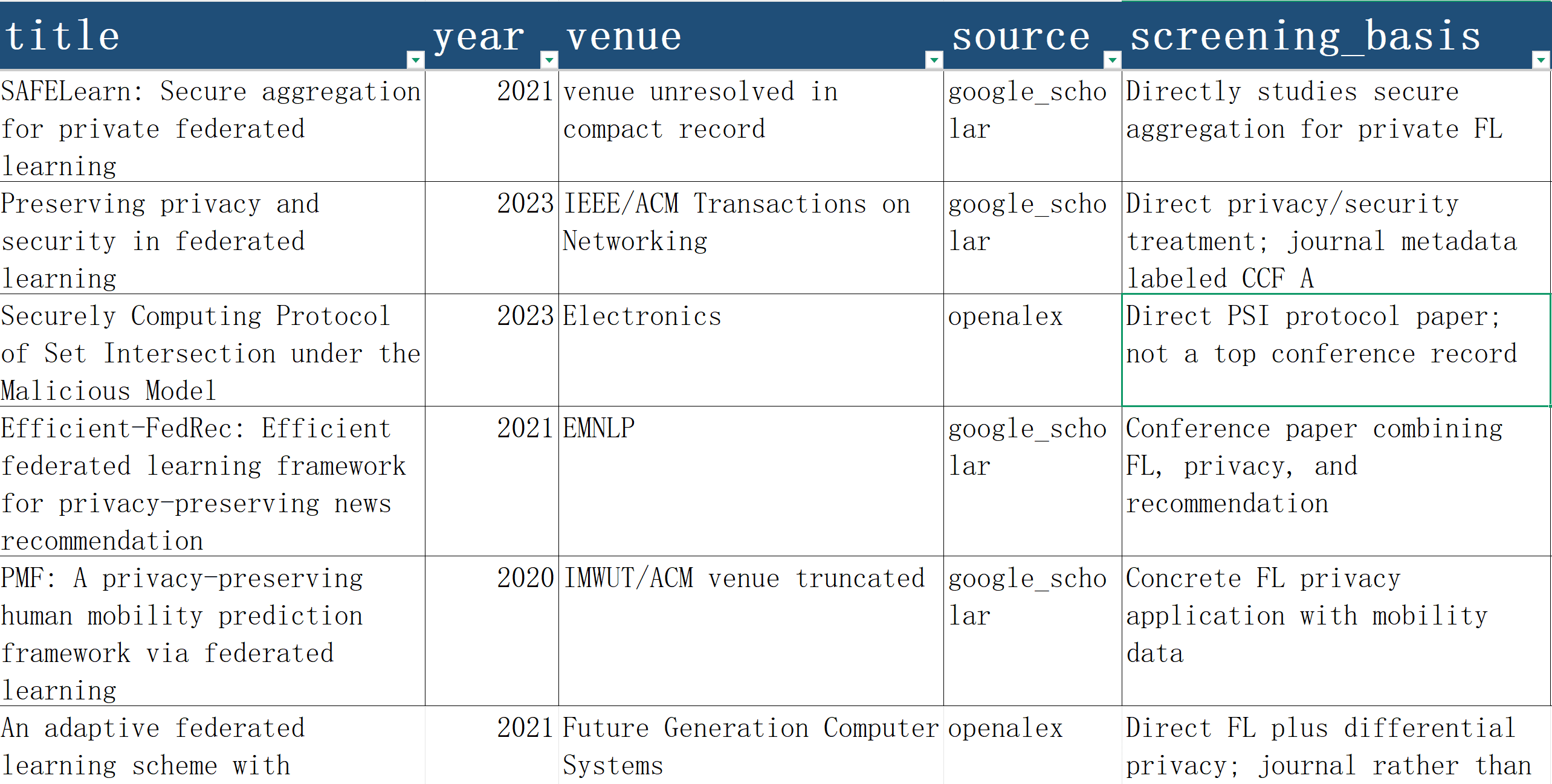
Ergebnisse anzeigen und speichern
Paper Search v2 speichert candidate-paper-pool.json und candidate-paper-pool.xlsx gemeinsam. Für diesen ersten Pool save_paper_pool nicht separat aufrufen. Nach der globalen Anleitung zur Artikelsuche antworten, ohne den vollständigen Pool einzufügen.
Häufige Fragen
Ihre Forschung fortsetzen
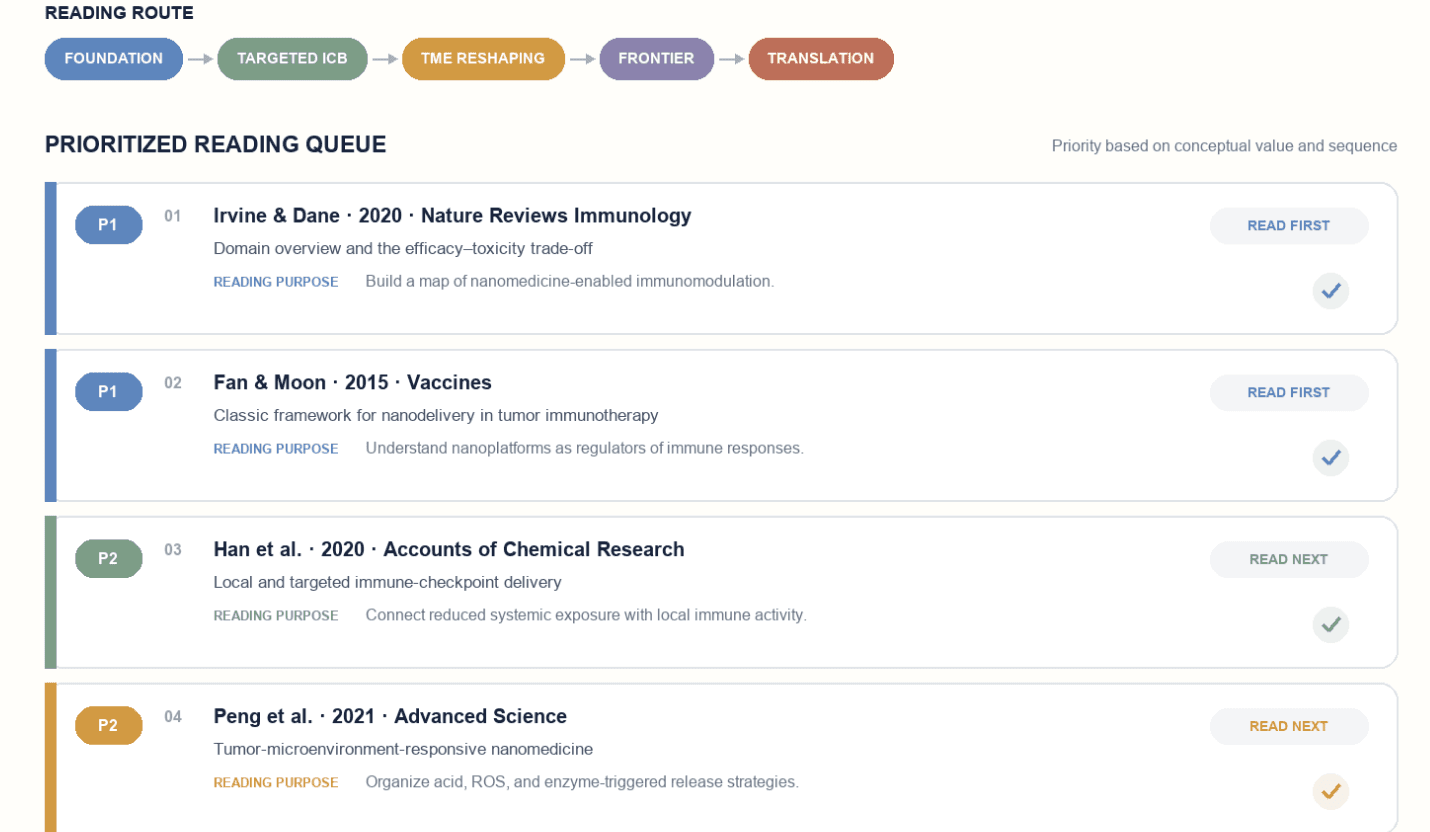
Machen Sie mit dem nächsten sinnvollen Schritt weiter, ohne neu anzufangen.
Bereit, diesen Ablauf auf Ihre Forschung anzuwenden?
Öffnen Sie die Yila-Workbench und geben Sie Ihre Frage oder Ihr Material ein. Yila beginnt im selben Forschungsgespräch mit der gewählten Methode.
Dieses Playbook ausführen