Yila
Explore graphical abstracts, signaling pathways, and experimental workflows. Pick a template to create your own figure in Yila.







Trusted by researchers at institutions around the world
Evidence, privacy, memory, and deliverables: the rules behind a research assistant should be clear.
A general AI chatbot is mostly a text window. Yila AI is an academic research workspace built for complete workflows: it clarifies the research question, proposes a plan, searches scholarly literature, reads full papers, records verified citations, and keeps manuscripts, figures, posters, and slides inside one traceable run.
No. Yila AI cites only scholarly sources it has actually retrieved and recorded, verifying DOI, title, author, and journal metadata whenever possible. Claims without sufficient literature support are flagged rather than backed by fabricated references.
Yila AI searches peer-reviewed and preprint scholarly indexes including OpenAlex, PubMed, arXiv, Semantic Scholar, Google Scholar, Crossref, and Wanfang. Web pages are never disguised as academic paper evidence.
Yes. You can upload papers, notes, tables, slides, images, and drafts. Yila works with those files as part of the run, and when it cites uploaded material it tries to point back to the relevant file, passage, or page.
It depends on the task. Common outputs include paper lists, evidence tables, paper digests, related-work drafts, review outlines, data-analysis summaries, figure notes, slide outlines, and editable files. The point is traceable research work, not just another answer.
Private by default. Your prompts, uploaded PDFs, datasets, and research deliverables stay isolated in your workspace and are never used to train any AI model.
Yes. Teams can keep questions, files, sources, and deliverables for a topic in a continuous research history, making it easier to prepare lab meetings, hand work to students, review evidence, and reuse proven workflows.
Yila can save a lot of time on search, synthesis, and first drafts, but serious academic work still needs the researcher’s final judgment. You should review key citations, methods, statistical claims, and contested interpretations; Yila helps by making the evidence trail easier to inspect.
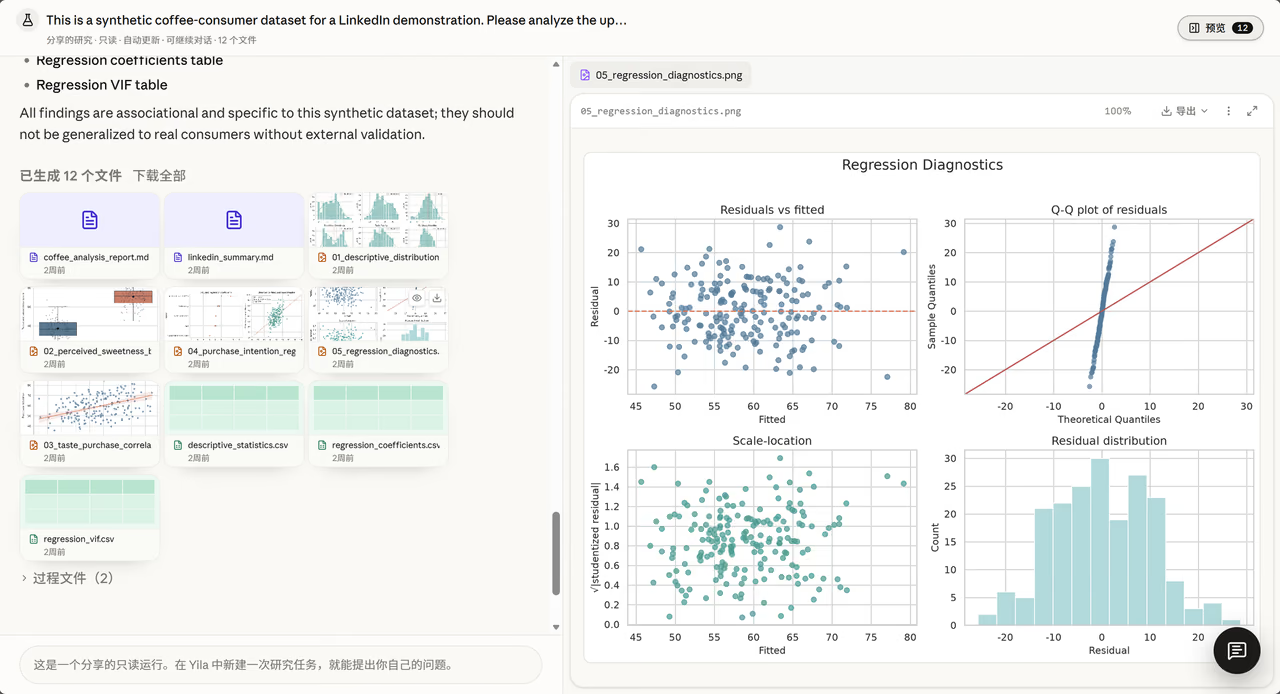
Upload a CSV or XLSX and Yila runs an AI-guided analysis workflow — profiling the data first, choosing an appropriate statistical method, and returning clear results, charts, and reusable code.
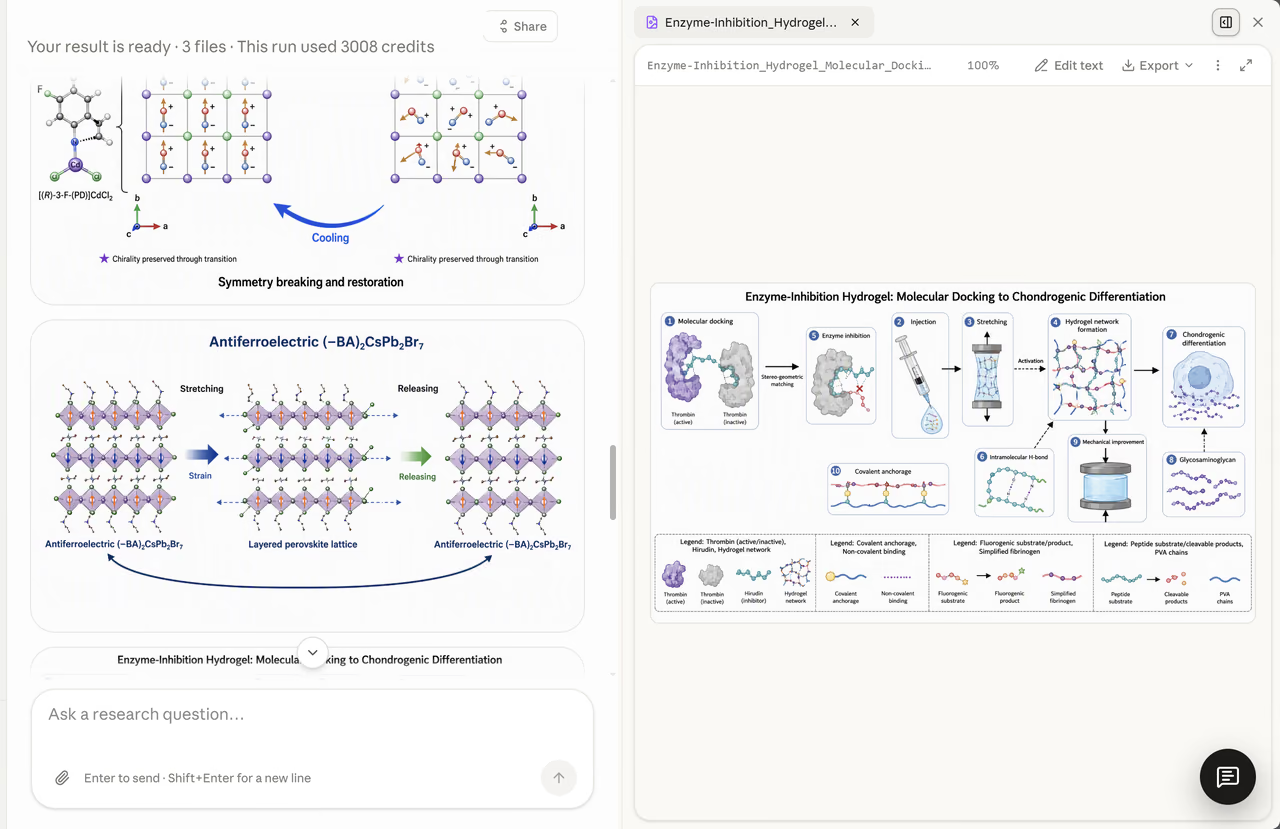
Describe a mechanism, workflow, or scientific concept and quickly generate a polished figure for papers and academic slides, ready for further refinement.
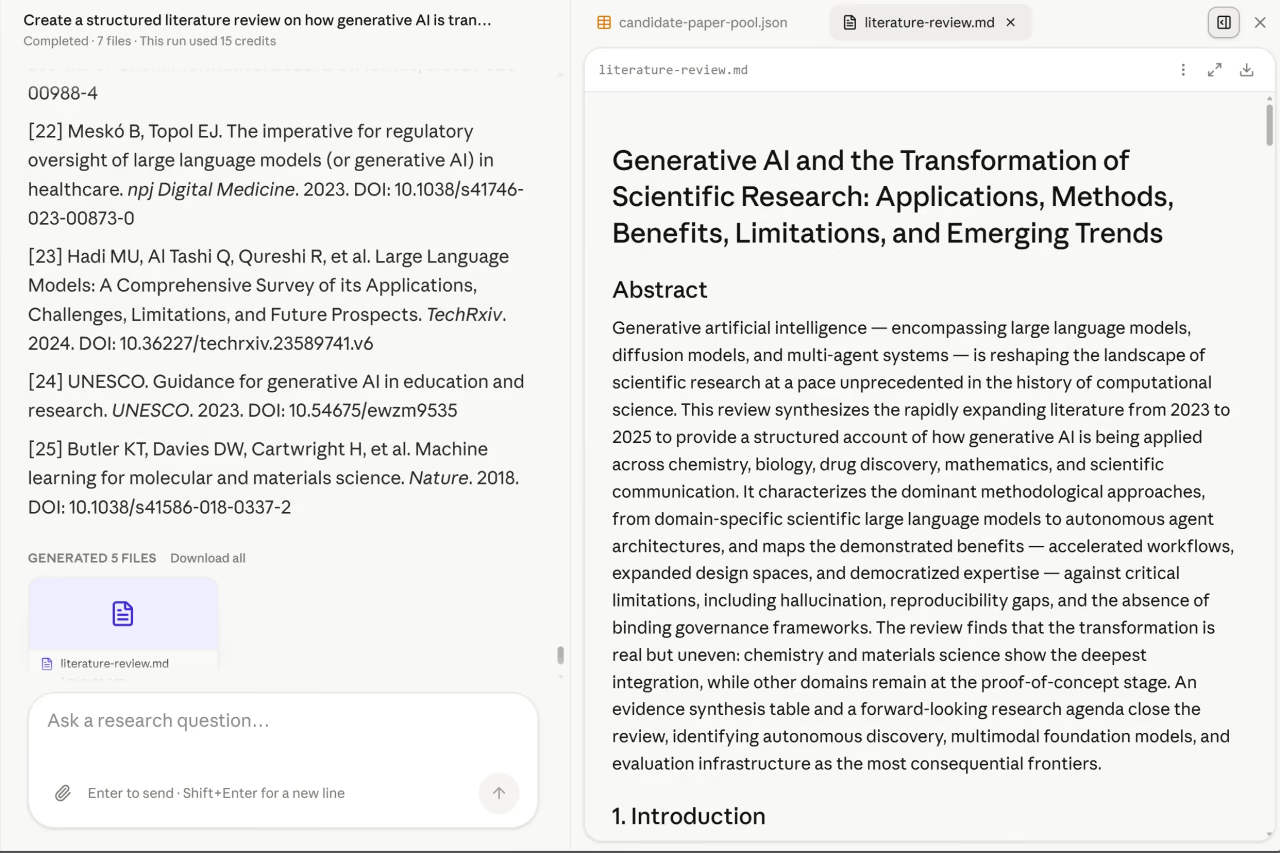
Yila's AI research agent searches and reads 50+ full papers, compares methods, findings, and evidence strength, then drafts a citation-backed literature review you can keep editing — not an encyclopedia-style summary.
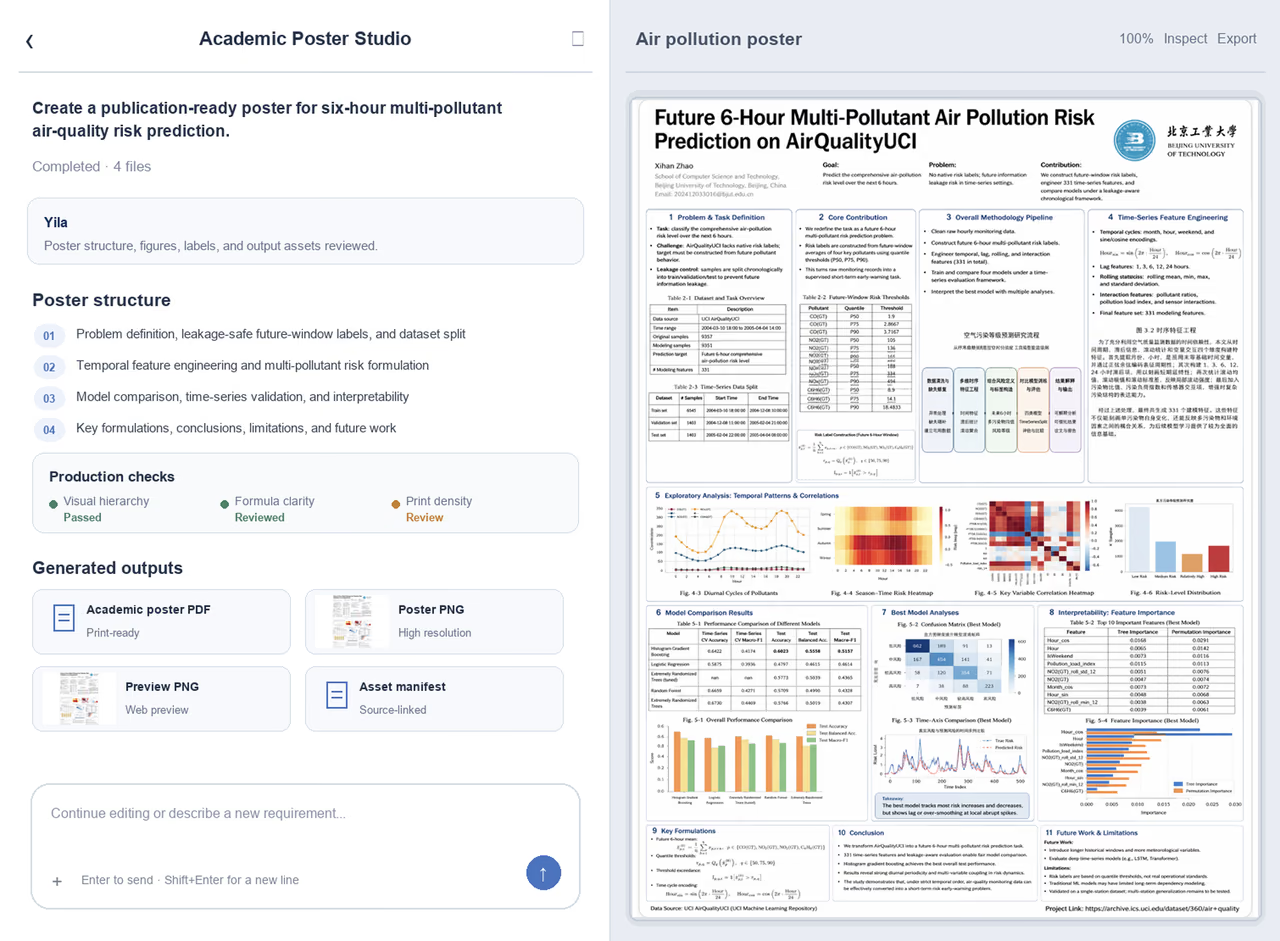
Choose a template and upload your paper. Yila distills the research question, methods, and key results into a polished academic poster built for conference presentation.
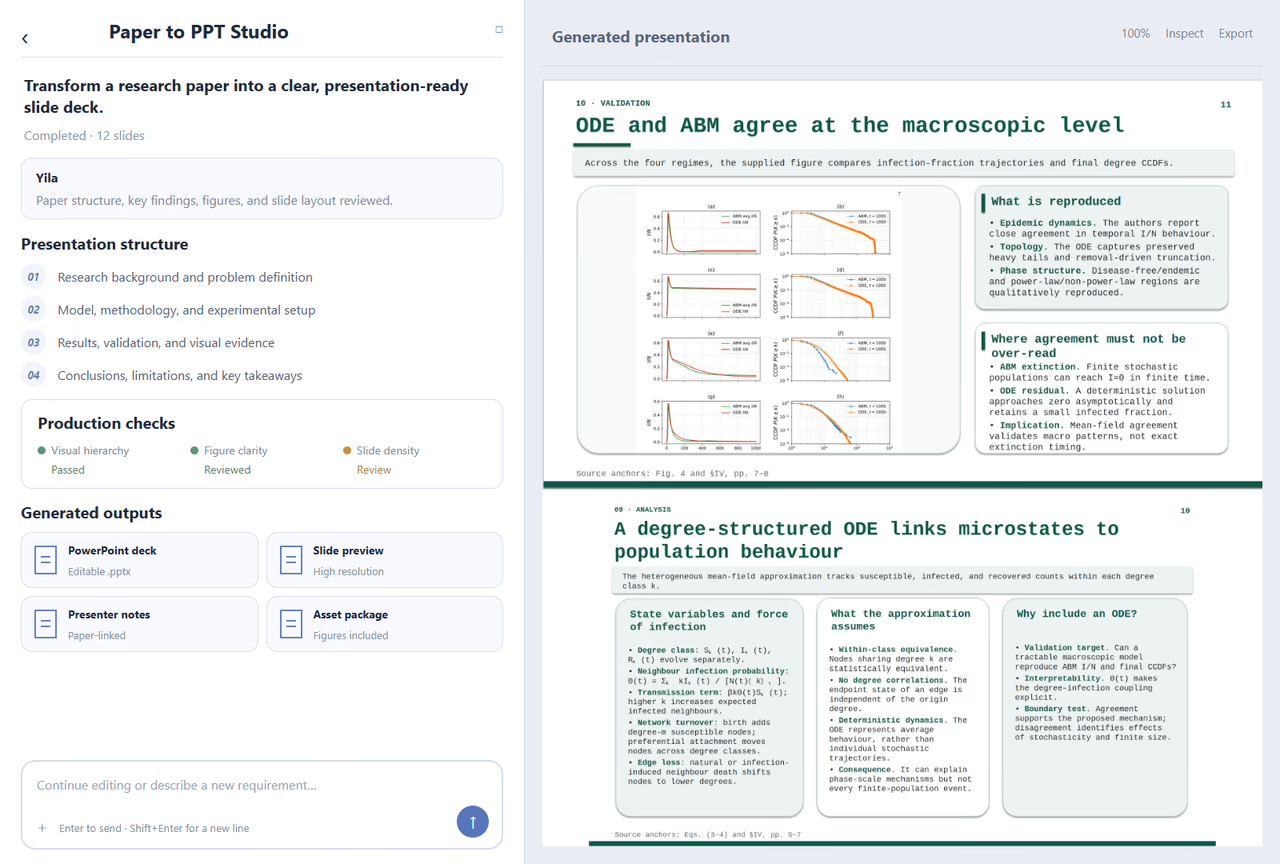
Upload your research paper and Yila's AI maps out the argument, plans the narrative, and turns the background, methods, results, and conclusions into academic presentation slides ready to present.
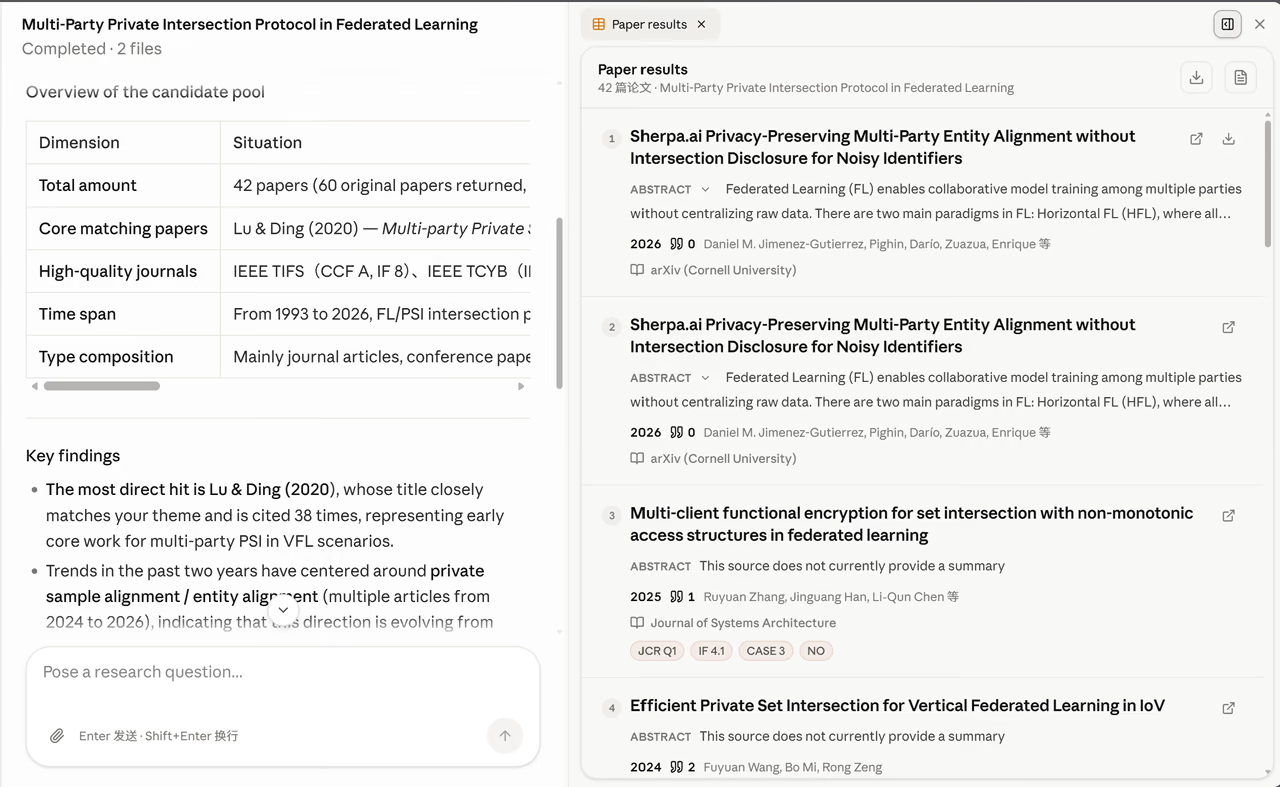
Describe your academic research topic and Yila searches trusted scholarly databases with AI, builds a quality-ranked candidate pool, and delivers verified papers with abstracts, citation signals, and key findings.
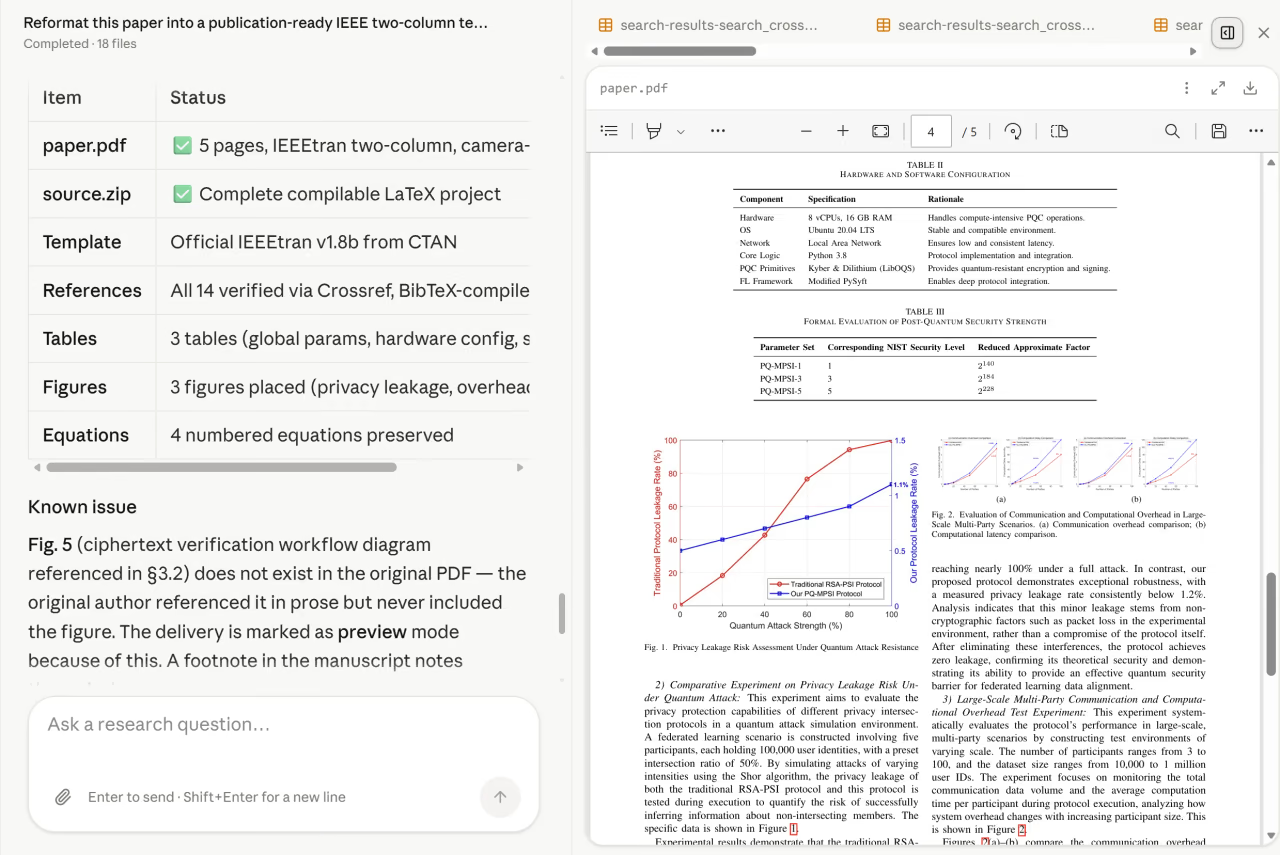
Upload the manuscript together with whatever governs its formatting — a thesis guide, a journal requirement, a Word template, a LaTeX kit, or just the venue name. Yila works out which file is which, then delivers the format that recipient can actually use.