

ค้นหาวรรณกรรม
ค้นหาบทความโดยเอเจนต์ พร้อมบันทึกคลังบทความตัวเลือก
ค้นหาวรรณกรรม
ตัวอย่างคำขอ
บทความแนวหน้า
- 1A Survey of Large Language Models
The rapid evolution of large language models (LLMs) has driven a transformative shift in artificial intelligence (AI), reshaping both research paradigms and practical applications. Distinguished from their predecessors by unprecedented scale and advanced capabilities, LLMs necessitate new frameworks for understanding their development, behavior, and societal impact. This survey systematically reviews recent advancements in LLM techniques across four key dimensions: (1)…
2026·1419การอ้างอิง·Y. Zhou et al.·Frontiers of Computer Science·IF 4.6 · Q1 - 2DeepSeek-R1 incentivizes reasoning in LLMs through reinforcement learning
General reasoning represents a long-standing and formidable challenge in artificial intelligence (AI). Recent breakthroughs, exemplified by large language models (LLMs)1,2 and chain-of-thought (CoT) prompting3, have achieved considerable success on foundational reasoning tasks. However, this success is heavily contingent on extensive human-annotated demonstrations and the capabilities of models are still insufficient for more complex problems. Here we show that the reasoning…
2025·670การอ้างอิง·DeepSeek-AI et al.·Nature·IF 48.5 · Q1 - 3AI Agents vs. Agentic AI: A Conceptual taxonomy, applications and challenges
This review critically distinguishes between AI Agents and Agentic AI, offering a structured, conceptual taxonomy, application mapping, and analysis of opportunities and challenges to clarify their divergent design philosophies and capabilities. We begin by outlining the search strategy and foundational definitions, characterizing AI Agents as modular systems driven and enabled by LLMs and LIMs for taskspecific automation. Generative AI is positioned as a precursor providing…
2025·126การอ้างอิง·M. Shavit et al.·Information Fusion·IF 15.5 · Q1 - 4Physics-informed neural networks for PDE problems: a comprehensive review
As AI for Science continues to grow, Physics-informed neural networks (PINNs) have emerged as a transformative approach within the realm of scientific computing and deep learning, offering a robust and flexible framework for solving partial differential equations (PDEs) and other complex physical systems. By embedding physical laws directly into the architecture of neural networks, PINNs enable the integration of domain-specific knowledge, ensuring that the models adhere to…
2025·136การอ้างอิง·S. Cuomo et al.·Artificial Intelligence Review·IF 13.9 · Q1
กรณีการใช้งาน
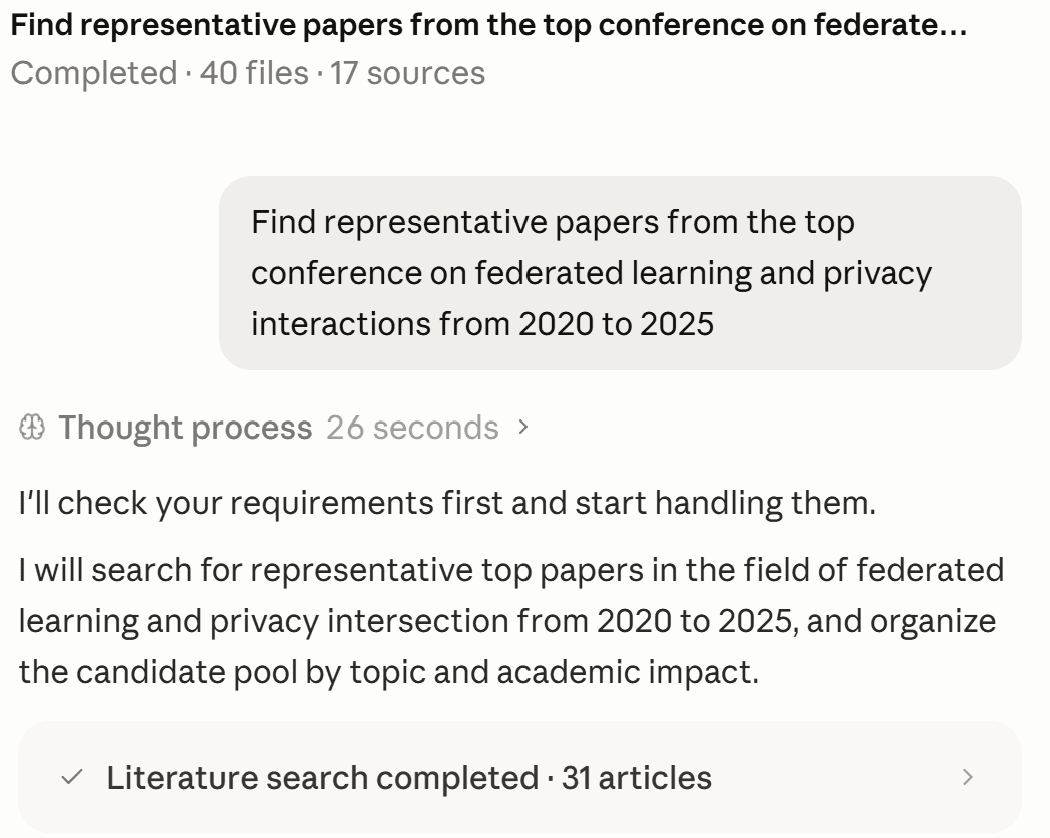
สิ่งที่คุณเตรียมไว้แล้ว: หัวข้อวิจัย
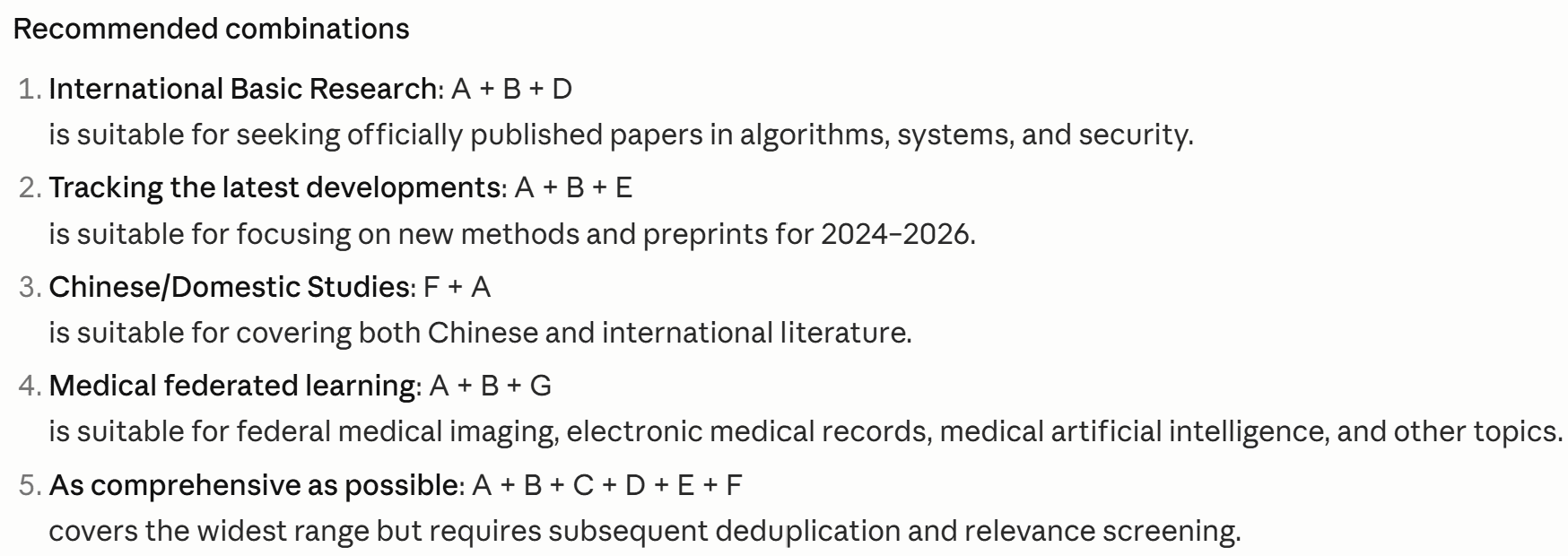
แหล่งค้นหาที่ต้องการ, จำนวนบทความตัวเลือก, ภาษาของผลลัพธ์
ขั้นตอนการทำงาน
ทำความเข้าใจคำขอ
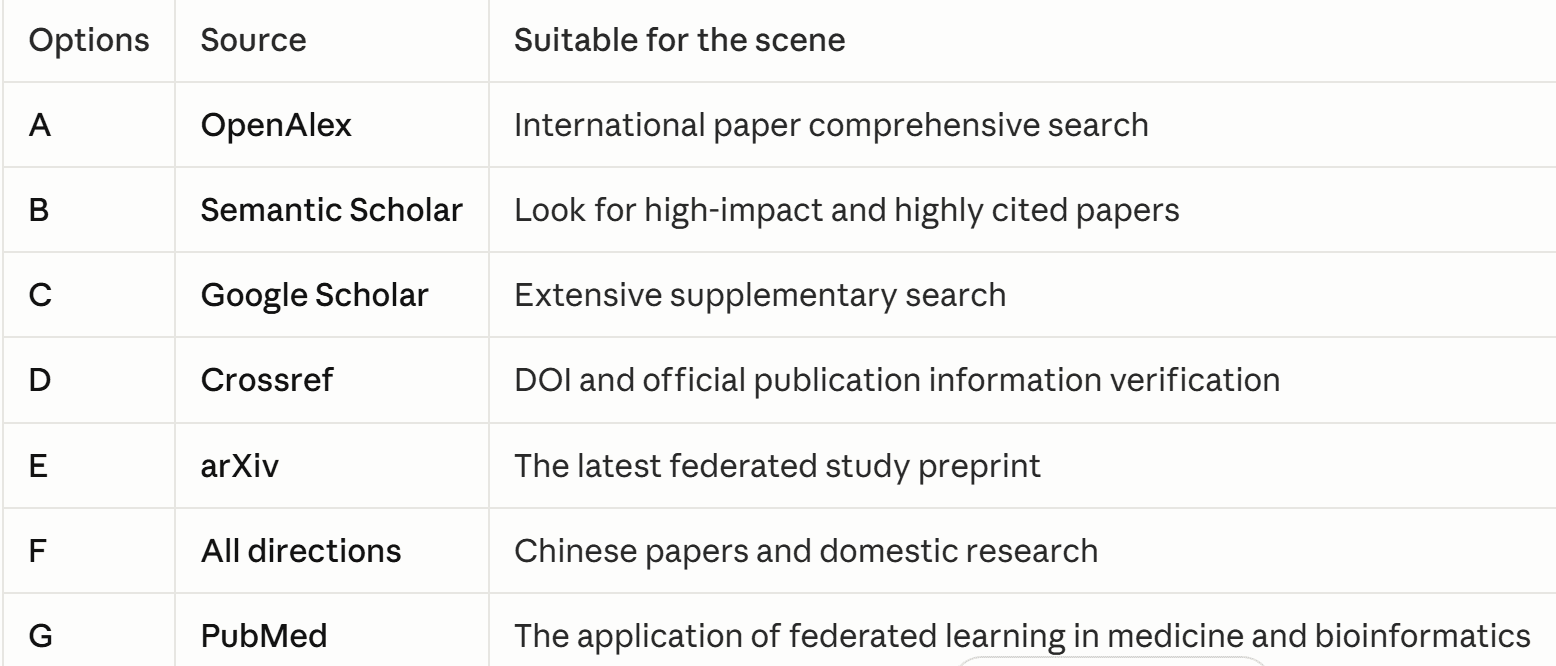
อ่านหัวข้อและความต้องการที่ระบุแบบมีโครงสร้างในฐานะเงื่อนไขของผู้ใช้ ถามให้ชัดเฉพาะตัวเลือกที่ขาดไปซึ่งจะเปลี่ยนผลลัพธ์อย่างมีนัยสำคัญ นอกนั้นให้ Research Agent เลือกแผนการค้นหาที่เหมาะสมจากการ์ดความสามารถของเครื่องมือแบบรวม ขั้นนี้กำหนดขอบเขต หลักฐานที่ใช้ได้.
ค้นบทความตัวเลือก
เรียกใช้ search_papers_v2 ในบทสนทนาของ Research Agent เดียวกัน candidate_count คือโควตารวมของคลังบทความซึ่งมีขีดจำกัด เครื่องมือจะดำเนินแผนแหล่งค้นหาและคำค้นที่เอเจนต์เขียนขึ้น แล้วส่งคืนการค้นหาที่เกิดขึ้นจริง ความล้มเหลว สิ่งที่ตกหล่น.

พิจารณาบทความตัวเลือก
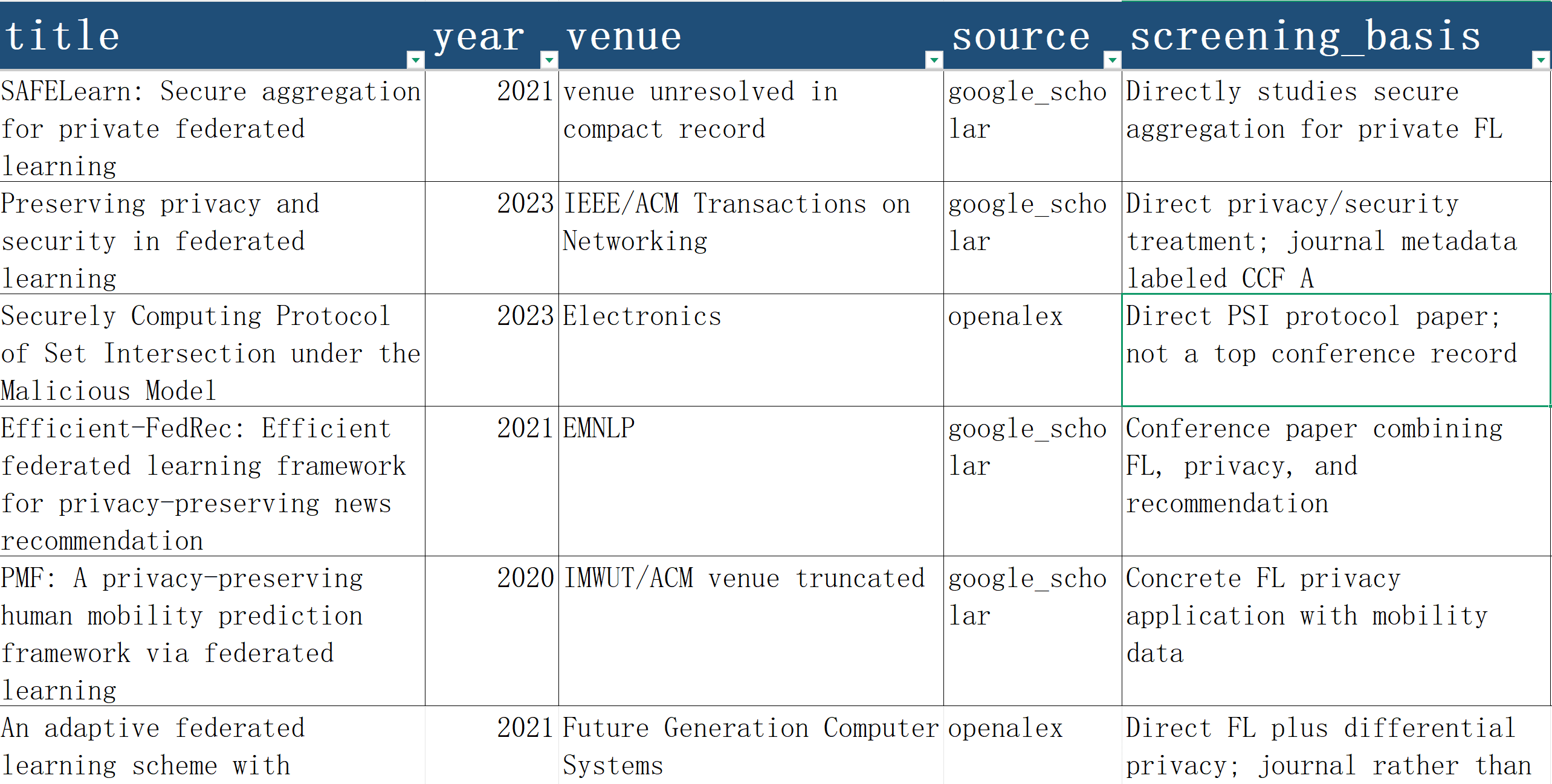
ตรวจเมทาดาทาของบทความที่ได้กลับมาและข้อมูลวินิจฉัย ความเกี่ยวข้องกับคำถามของผู้ใช้สำคัญกว่าชื่อเสียงของวารสาร Yila แสดงการตัดสินใจระหว่างทาง ขอบเขตของหลักฐาน และประเด็นที่ยังค้างไว้ให้เห็น เพื่อให้คุณตรวจสอบเหตุผลและปรับทิศทางของเวิร์กโฟลว์ได้เมื่อจำเป็น
แสดงและบันทึกผลลัพธ์
Paper Search v2 บันทึก candidate-paper-pool.json และ candidate-paper-pool.xlsx พร้อมกัน ไม่ต้องเรียก save_paper_pool แยกต่างหากสำหรับคลังบทความเริ่มต้นนี้ ให้ตอบตามแนวทางการค้นหาบทความส่วนกลาง โดยไม่วางคลังบทความทั้งหมดลงในคำตอบ.
คำถามที่พบบ่อย
ทำงานวิจัยต่อ
ไปยังขั้นต่อไปที่มีประโยชน์ได้โดยไม่ต้องเริ่มใหม่

พร้อมใช้เวิร์กโฟลว์นี้กับงานวิจัยของคุณแล้วหรือยัง
เข้าสู่พื้นที่ทำงานของ Yila แล้วระบุคำถามหรือเอกสารของคุณ จากนั้น Yila จะเริ่มด้วยวิธีที่เลือกไว้ในบทสนทนาวิจัยเดียวกัน
เริ่มใช้ Playbook นี้